


Nitya Upāsanā – Dvitīya Ārādhanā Bindu

Vanadurgā Parameśvarī is the Divine Śakti of Puruṣottama. She is the Supreme Vaiṣṇavī — the Parā Vaiṣṇavī Śakti Herself — the transcendent and eternal Power through whom the Supreme Lord manifests, sustains, and protects the cosmos.
Tears must arise simply upon hearing the name of one’s Īṣṭa Devatā.
That is the true fruit of ārādhanā — not rituals alone,
but the heart that melts over lifetimes to finally weep for the Beloved.
Ārādhanā has been performed across countless births just to awaken those tears
— where love becomes bhakti,
and bhakti becomes union.
This section of the work focuses on the inner method of ārādhanā
— how to worship Mā Vanadurgā with a heart undistracted and wholly offered.
With the revelation of Ākāśavānī — the voice from the vast ether
— the principles of tattva become clear,
anchoring the sādhaka in one-pointed devotion.
Thus, this composition is named:
Śrī Devī Ākāśavānī Vanadurgā Ārādhanā Laharī

The Śrī Devī Ākāśavāṇī is your MAP—the GPS.
It reveals itself as the TRACKER
only when you WALK the PATH
of Triveṇī Vidyā
with unwavering sincerity.
This is the only module presented as Ārādhanā.
Triveṇī Vidyā is contained here in its entirety.
In truth, this itself is the Sūtra
—presented with everything one will ever need.
The complete essence of
Triveṇī Vidyā is revealed,
articulated, and
curated as one
WALKS the PATH.
 Śrī Devī Ākāśavānī Vanadurgā Ārādhanā Laharī is a wave of worship offered to the Ādi Bhagavatī — Mā Vanadurgā. This sacred work now weaves together : — the Dhyāna-Stutiḥ, a meditative hymn that unveils the Devī’s form in serene splendor, — the Ārādhanā Laharī, a stotra of flowing devotion, pouring forth from the heart, — the Ākāśavānī, the divine voice received within, as grace and revelation. |  “Ārādhanā Laharī” (Wave of Worship) expresses how this hymn is not just a prayer but a continuous flow of devotion, much like the unbroken waves of divine remembrance that rise from the soul and merge into the presence of the goddess. Each verse, each invocation, surges forth like an oceanic tide—invoking, praising, and surrendering to Vanadurga’s supreme grace. This hymn is a living experience of Bhakti—where every breath, every utterance, and every offering is dedicated to Vanadurga. |  The term “Ākāśavāṇī” (Celestial Voice) signifies the divine message—an unspoken yet resounding call from the divine herself, experienced in the depths of devotion. The Ākāśavānī of the Goddess must be recited only after the recitation of the Vanadurgā Ārādhanā Laharī. Without the union of both,the offering remains incomplete. |
|---|---|---|
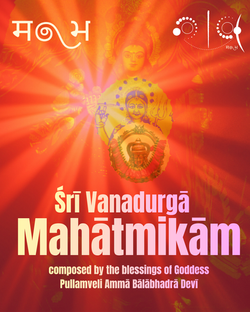 This Śrī Vanadurgā Bhagavatī Devī Dhyāna-Stutiḥ was composed by the blessings of Goddess Pullamveli Amma Śrī Bālābhadrā Devī. This Dhyāna-Stutiḥ arises not as a separate composition, but as the inner flame that illumines both the Ārādhanā Laharī and the Ākāśavānī. |  The 108 Divine Names of the Supreme Goddess Vanadurgā. This Nāmāvalī is also known as Śrī Devī Aṣṭottaraśatanāmāvalī श्रीदेव्यष्टोत्तरशतनामावली. |  Śrī Jānakī Stuti by Śrī Añjanēya Svāmi is a timeless and profoundly beautiful composition dedicated to the Supreme Primordial Mother. Much like the Śrī Devi Aparādha Kṣamāpaṇa Stotram, this stuti serves as a heartfelt means of seeking forgiveness. However, its essence goes beyond that—it facilitates complete surrender while invoking kṣamā (forgiveness), one of the most precious gifts granted to a seeker, both as a jīva and as a bhakta. |
 Vanadurgā Nāma Mantra |  This is that dhvani — the living pulse, my own hidden treasure. It was my only possession. The only thing that truly belonged to me. |  Root mantra for the worship of Śrī Vanadurgāmbikā: śaraṇye sāraṇye nīlāraṇye mahābālābhadrāyai sarvabhayanāśinyai abhayavaradāyinyai oṁ vanadurgāparamāyai namaḥ शरण्ये सारण्ये नीलारण्ये महाबालाभद्रायै सर्वभयनाशिन्यै अभयवरदायिन्यै ॐ वनदुर्गापरमायै नमः |
|---|---|---|
 This is the sacred Nāmāvali of Śrī Aṣṭabhuji Vanadurgāparāṃbikā, the Primordial and Eternal Mahāvidyā, revered as the Supreme Parā Vaiṣṇavī Śakti. |  Pīṭha-sthāpana Mantra sauḥ bhāgyalakṣmī ramāpīṭhāya namaḥ सौः भाग्यलक्ष्मी रमापीठाय नमः | 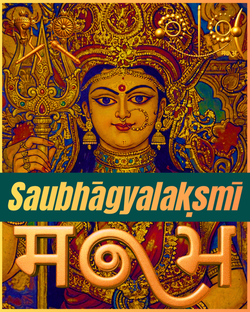 Vanadurgā Saubhāgyalakṣmī Mantraḥ: sauḥ bhāgyalakṣmyai namaḥ or oṃ namo bhagavati vanadurgeśvarī ślīṁ hlīṁ klīṁ sauḥ bhāgyalakṣmyai namaḥ or oṃ aiṃ hrīṃ śrīṃ sauḥ bhāgyalakṣmyai namaḥ |
 The “108 Names of Śrī Aṣṭabhuji Vanadurgāparāṃbikā” is a collection of divine names for the eight-armed form of the Goddess Vanadurga |  It is especially for those seekers of Mā Vanadurgā those who hold fast to the Name Bhagavatī. |  This Bhagavatī Nāmāvaliḥ is for those seekers and devotees of Mā Vanadurgā who hold fast to the name 'Bhagavatī' as their chosen deity's name. It will aid them in their focus and ārādhana. |
|---|---|---|
 The Vanadurgā Mahāmantra is drawn from the Vanadurgā Upaniṣad, distilled to retain only what is essential for inner worship (antaraṅga upāsanā). This compilation is not intended for outward display or ritualistic grandeur; rather, it is designed to fortify the sādhaka’s inner connection with the Goddess. |  |  |
 In today’s spiritual marketplace, countless self-proclaimed Gurus claim “truths” borrowed from books — from scriptures, Purāṇas, and commentaries. What they present is not Truth itself, but their own limited understanding of it. The Ṛṣis did not speak in conclusions. They spoke in structures of awakening. Their language is not literal — it is the same language Christopher Nolan employs in his films. |  SEE.....SEE.....SEE..... |
|---|
 This Nārāyaṇī Stutiḥ is for the worship of Śrī Vanadurgāparāṃbikā |  This Nārāyaṇī Hṛdaya Mālā is derived from the Śrīlakṣmīnārāyaṇasaṃhitā’s Śrīlakṣmī Nāmāvalī Stotram, along with select portions of the Śrī Atharvaṇa Rahasya’s Lakṣmī Hṛdaya Stotram. Only those names have been retained which are especially suited for seekers of Mā Vanadurgā who choose the name of “Nārāyaṇī” as their primary ārādhana mārga. |  This Nārāyaṇī Nāmāvali is drawn from the Śrīlakṣmīnārāyaṇasaṃhitāyāṃ Śrīlakṣmīnāmāvalīstotram & Śrīatharvaṇarahasye Śrīlakṣmīhṛdayastotraṃ. While there exists an immense treasure of stotras and nāmavalis for Śrī Lakṣmī—whether as Kamalā, Padmāvatī, or other forms—this particular collection holds a rare and special charm for seekers of Maa Vanadurgā, especially those whose hearts beat with deep devotion at the very sound of the name “Nārāyaṇī.” |
|---|---|---|
 Parā Śrīdevī is none other than Śrī Lakṣmī herself. This sacred collection of 108 names (nāmāvalī) is presented here, to serve as a means for profound internal sādhana. |  Parāṣoḍaśī Sarvamaṅgalā Nārayaṇī Mūla Mantra पराषोडशी सर्वमङ्गला नारायणी मूल मन्त्र: sarvamaṅgalamāṅgalye śive sarvārthasādhike । śaraṇye tryambake devī nārāyaṇī namo'stu te ॥ nārāyaṇī namo'stu te ॥ nārāyaṇī namo'stu te ॥ |  Oṁ Namo Bhagavatī Raktaṁ Pīṭhaṁ Namaḥ ॐ नमो भगवती रक्तं पीठं नमः This ancient mantra is dedicated to sincere seekers of Mā Vanadurgā who aspire to receive the divine grace of Mā Bhagavatī. It is for those whose hearts are moved to reverence at the mere utterance of her sacred name. |
 Parā Śrīdevī Lakṣmī Mūla Mantra: परा श्रीदेवी लक्ष्मी मूल मन्त्र: śrīṁ śrīyai namaḥ svāhā श्रीं श्रीयै नमः स्वाहा |  ॥ अतिसुन्दरसूक्तम् ॥ |  The following passage is drawn from the Vana Durgā Kalpa, Second Paṭala, which describes the worship of Śrī Vanadurgā after the sacred pūrṇāhuti and pradakṣiṇā. Here, the devotee, filled with humility, offers a prārthanā — a heartfelt prayer seeking forgiveness, fulfillment, and the unceasing grace of Parameśvarī. |
|---|---|---|
 Vanadurgā Saptatriṃśatī Nāmāvalīḥ, a litany of thirty-seven divine names revealing the many forms and powers of Śrī Vanadurgā Parāmbikā |  This stotram is by our Guru, Śrī Añjaneya, and it is a must for ārādhana towards Maa Vanadurgā. |  The highest form in which we worship our Goddess Vanadurgā |
 That Encounter |  The following hymn, traditionally known as the Vanadurgā Mahāvidyā Stotram, is a profound revelation attributed to the Primordial Īśvara. Its essence was realized through deep contemplation by the Kirāta-form of Īśvara. This Mahāvidyā is cherished by all the Mātṛkā-Śaktis, for it arises from the sacred matrix of the Mātṛkā akṣaras—the primordial syllables from which the universe unfolds. |  oṃ śrīṃ hrīṃ aiṃ klīṃ namo viṣṇu-vallabhāyai mahāmāyāyai kaṃ khaṃ gaṃ ghaṃ ṅaṃ namaste namaste māṃ pāhi pāhi rakṣa rakṣa dhanaṃ dhānyaṃ śriyaṃ samṛddhiṃ dehi dehi śrīṃ śriyai namaḥ svāhā |
|---|---|---|
 Śrī Vanadurgāmbā Mūla Mantra श्री वनदुर्गाम्बा मूल मन्त्र oṁ hūṁ krauṁ mahābhaya-paripanthini vana-vihāriṇi durge devi dhana dhānyaṁ rakṣa rakṣa svāhā ॐ हूं क्रौं महाभयपरिपन्थिनि वनविहारिणि दुर्गे देवि धन धान्यं रक्ष रक्ष स्वाहा |  वनदुर्गा आराधना पूर्ण लघु मन्त्रः oṃ namo bhagavati vanadurgeśvarī ślīṁ hlīṁ klīṁ mahābālāyai namaḥ svāhā ॐ नमो भगवति वनदुर्गेश्वरी श्लीं ह्रीं क्लीं महाबालायै नमः स्वाहा or oṃ ślīṁ hlīṁ klīṁ vanadurge mahābālāyai namaḥ svāhā ॐ श्लीं ह्लीं क्लीं वनदुर्गे महाबालायै नमः स्वाहा or oṃ hrīṃ śrīṃ klīṃ daṃ vanadurgāṃ mahābālābhadrāmbikāṃ ॐ ह्रीं श्रीं क्लीं दं वनदुर्गां महाबालाभद्राम्बिकां or vanadurgāyai mahābālāyai svarṇāyai oṃ kṣaṃ māyai svāhā ॥ वनदुर्गायै महाबालायै स्वर्णायै ॐ क्षं मायै स्वाहा ॥ |  Vanadurgā Ārādhanā Śeṣa Mudrikā Mantraḥ oṃ sāīṃ rāṃ ॐ साईं रां |
 Śrīdevī Prasanna Vanadurgā Ārādhanā Mūla Mantraḥ श्रीदेवी प्रसन्न वनदुर्गा आराधना मूल मन्त्रः śrīdevīprasannāyai namaḥ श्रीदेवीप्रसन्नायै नमः or śrīprasannalakṣmyai namaḥ श्रीप्रसन्नलक्ष्म्यै नमः or jaṃ virajāmbikāyai namaḥ जं विरजाम्बिकायै नमः or aṃ naṃ ghaṃ sauḥ bhāgyalakṣmyai namaḥ अं नं घं सौः भाग्यलक्ष्म्यै नमः |  Śrīdevī Prasanna Vanadurgā Ārādhanā Śeṣa Mantraḥ श्रीदेवी प्रसन्न वनदुर्गा आराधना शेष मन्त्रः rāṃ rāmacaṇḍikāyai namaḥ राँ रामचण्डिकायै नमः or daṃ viṣṇudurgāyai namaḥ दं विष्णुदुर्गायै नमः or drāṃ virajāṃ śaraṇaṃ mama द्रां विरजां शरणं मम or aṃ naṃ ghaṃ ramāyai namaḥ अं नं घं रमायै नमः |  श्रीविष्णोः शतनामस्तोत्रम् |
|---|---|---|
 Special (viśeṣa) nāmāvalī of Puruṣottama |  Śrī Satyanārāyaṇa Svāmi Mula Mantra: श्री सत्यनारायण स्वामी मूल मन्त्रः oṃ namo bhagavate satyadevāya ॐ नमो भगवते सत्यदेवाय |  Śrī Ramādevī Mula Mantra: श्री रमादेवी मूल मन्त्रः śrīṃ ramāyai svāhā श्रीँ रमायै स्वाहा |
 Śrī Satyanārāyaṇa Svāmī The foundational structure of Triveṇī Vidyā rests upon the worship of Sat–Cit–Ānanda as manifest in three sacred forms — Śrī Mahāvināyaka, Mā Vanadurgā, and Śrī Satyanārāyaṇa Svāmī. Śrī Satyanārāyaṇa Svāmī embodies this Sat-svarūpa of Parameśvara in its integrated fullness — the unified manifestation of the Pañcadevatā | 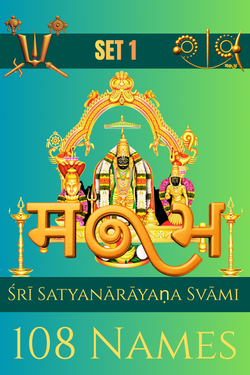 108 names of Śrī Satyanārāyaṇa Svāmi |  2nd list. |
|---|---|---|
 These eight names constitute the Mūla Nāmāni — the fundamental root-names — of Śrī Satyanārāyaṇa. They are to be recited together with the eight Mūla Nāmāni of Mā Vanadurgā. |  This work presents a Śrī Lakṣmī–Nārāyaṇa Sameta Nāmāvalī, derived from the Śrī Lakṣmīnārāyaṇāṣṭottaraśatanāmastotram. It is grounded in the Mūla Mantraḥ of Vanadurgā Ārādhanā Manikarṇikā Mantraḥ. While it is always highest to recognize Parama Puruṣa and Parama Prakṛti as One, one must never become like Bhṛṅgī—who chose to worship Śiva alone, abandoning Pārvatī. |  Vanadurgā Ārādhanā Śrī Anaghādevī Sameta Śrī Anaghasvāmī Mantra वनदुर्गा-आराधना अनघादेवीसमेत श्री अनघस्वामी मन्त्रः oṃ sāīṃ rāṃ śrīkākaṭaveṅkaṭaprasannāṃ ॐ साईं रां श्रीकाकटवेङ्कटप्रसन्नां or śrīkākaṭaprasannaveṅkaṭeśaya namaḥ श्रीकाकटप्रसन्नवेङ्कटेशाय नमः or śrīkākaṭaprasannaveṅkaṭeśāyai namaḥ श्रीकाकटप्रसन्नवेङ्कटेशायै नमः or oṃ kākaṭaṃ veṅkaṭaṃ namāmyaham ॐ काकट वेङ्कट नमाम्यहम् or oṃ prasannāṃ bhavasundarīṁ sarvamaṅgalānārāyaṇīṃ ॐ प्रसन्नां भवसुन्दरीं सर्वमङ्गलानारायणीं |
 Āraṇyā Devī Namavali |  Śrī Mahābhadrāmbikā Aṣṭottaraśatanāmāvaliḥ |  Vanadurgā Ārādhanā Mahābhadrāmbikā Mantraḥ oṃ bhrāṃ bhrīṃ bhrūṃ mahābhadrāmbikāyai namaḥ ॐ भ्रां भ्रीं भ्रूं महाभद्राम्बिकायै नमः or oṃ bhrāṃ bhrīṃ bhrūṃ mahābhadrakālikāyai namaḥ ॐ भ्रां भ्रीं भ्रूं महाभद्रकालिकायै नमः or oṃ bhrāṃ bhrīṃ bhrūṃ bhrāmarāmbikāyai namaḥ ॐ भ्रां भ्रीं भ्रूं भ्रामराम्बिकायै नमः or oṃ bhrāṃ bhrīṃ bhrūṃ mahābālābhadrāmbikāṃ ॐ भ्रां भ्रीं भ्रूं महाबालाभद्राम्बिकां |
|---|---|---|
 वनदुर्गा आराधना मुख्यवाराही मन्त्रः त्रिवेणी शिरोमणि श्रीपञ्चमी मन्त्रः jaya śṛṅge śṛṅge ekaśṛṅge mukhyavārāhi जय शृङ्गे शृङ्गे एकशृङ्गे मुख्यवाराहि or oṃ vanadurgāyai namaḥ ॐ वनदुर्गायै नमः or oṃ mā aṃ mā ॐ मा अं मा or aṃ āṃ auṃ ambāyai namaḥ अं आं औं अम्बायै नमः or namāmi nīlamādhavīṃ nīlācalanivāsinīṃ saṅketāṃ saṅketīṃ saṅkaṭātāriṇīm or śrīpañcamukhīherambāyai namaḥ श्रीपञ्चमुखीहेरम्बायै नमः or oṃ hiraṇyavarṇāṁ hariṇīṃ śrīherāpañcamīṁ or oṃ aiṃ glauṃ śrīherāpañcamīṃ |  Śrī-Svarṇākarṣaṇa Hanumān is a special contemplative form of Śrī Hanumān, as Kanaka Añjaneya — a manifestation associated with the grace of Śrī Svarṇalakṣmī or Kanaka Vanadurgā. |
 Śrīdevī Prasanna Vanadurgā Ārādhanā Prāṇa Mantraḥ श्रीदेवी प्रसन्न वनदुर्गा आराधना प्राण मन्त्रः aṃ māyai namaḥ raṃ māyai namaḥ bhaṃ māyai namaḥ bhraṃ māyai namaḥ śaṃ māyai namaḥ kṣaṃ māyai namaḥ maṃ māyai namaḥ māṃ māyai namaḥ śrīmāyai namaḥ bhūmāyai namaḥ padmāyai namaḥ oṃ vanadurgāparamāyai namaḥ |  oṃ bhaṃ bhīṃ bhūṃ bhagavatyai namaḥ ॐ भं भीं भूं भगवत्यै नमः or jaya mā rāmāyaṇī जय मां रामायणी or oṁ namo bhagavatī aṣṭabhujīm aṣṭalakṣmīm namaḥ svāhā ॐ नमो भगवती अष्टभुजीं अष्टलक्ष्मीं नमः स्वाहा or triveṇīvidyāyai svāhā त्रिवेणीविद्यायै स्वाहा or oṃ klīṃ bhagavatīṁ mukhyavārāhīṁ nīlatārātāriṇīṃ ॐ क्लीं भगवतीं मुख्यवाराहीं नीलतारातारिणीं or oṃ tārā auṃ tāriṇī śrī mā rāmāyaṇī ॐ तारा औं तारिणी श्री मा रामायणी or oṃ śrīrāmacaritacaraṇāmṛtāyai namaḥ ॐ श्रीरामचरितचरणामृतायै नमः |  Śrīdevī Prasanna Vanadurgā Ārādhanā Śeṣa-paryanta Mantrāḥ श्रीदेवी प्रसन्न वनदुर्गा आराधना शेषपर्यन्त मन्त्राः bhūṃ maṅgalāyai namaḥ भूँ मङ्गलायै नमः or kṣaṃ āṃ mahālakṣmīṃ क्षं आं महालक्ष्मीं or bhūṃ īṃ vanadurgeśvarīṃ भूं ईं वनदुर्गेश्वरीं or jayaṃ maṅgalāṃ mām̐ maṅgalāṃ जयं मङ्गलां माँ मङ्गलां or oṃ śrībhūmimātre namaḥ ॐ श्रीभूमिमात्रे नमः or kṣmāṃ lakṣmīṃ क्ष्मां लक्ष्मीं |
|---|---|---|
 Special 108 Namavali of Mā Kamalā |  The Śrī Mahālakṣmī Dhyāna Stotram is a devotional hymn preserved in the Devī Bhāgavata Purāṇa, wherein Purandara (Indra), along with the assembly of gods, extols Goddess Mahālakṣmī in her supreme and all-pervading form. The stotra combines contemplative visualization (dhyāna) with praise (stotra), presenting Mahālakṣmī as the cosmic support of dharma, artha, kāma, and mokṣa, and as the inner power sustaining all worlds. The hymn describes Mahālakṣmī as the universal Mother, substratum of....... |  In this tradition of Trivenī Vidyā, Śrī Mā Padmāvatī and Śrī Veṅkaṭeśvara Bālājī are of most primary importance. This nāmāvali, composed by Śrī Avadhūta Rāmi Reḍḍy Thāthā, is the anugraha of Śrīdevī to be incorporated in our ārādhanā. |
 oṃ śrī āraṇyakanāyikāyai namaḥ ॐ श्री आरण्यकनायिकायै नमः or oṃ aiṃ glauṃ śrīrāmacandrikāyai namaḥ ॐ ऐं ग्लौं श्रीरामचन्द्रिकायै नमः or śrīvidyālakṣmyai namaḥ श्रीविद्यालक्ष्म्यै नमः or bhūṃ vaneśvarīṃ भूँ वनेश्वरीं or mahāpañcamīvidyāyai svāhā महापञ्चमीविद्यायै स्वाहा or saṃ samayeśvaryai svāhā सं समयेश्वर्यै स्वाहा or oṃ hrīṃ śrīṃ śrīsītārāmaṃ ॐ ह्रीं श्रीं श्रीसीतारामं |  Vanadurgā Ārādhanā Anaghādevī Mantraḥ वनदुर्गा आराधना अनघादेवी मन्त्रः sauḥ bhāgyalakṣmīṃ jayaḥ maṅgalālakṣmīṃ सौः भाग्यलक्ष्मीं जयः मङ्गलालक्ष्मीं or oṁ namo bhagavatī anagheśvarī trivarṇāṁ lakṣmīṁ namaḥ ॐ नमो भगवती अनघेश्वरी त्रिवर्णां लक्ष्मीं नमः or oṃ kṣrīṁ kṣrāṁ kṣrauṁ anaghādevyai namo namaḥ ॐ क्ष्रीं क्ष्रां क्ष्रौं अनघादेव्यै नमो नमः or drāṃ anaghāṃ lakṣmīṁ द्राँ अनघाँ लक्ष्मीँ or oṃ hrīṃ jayamaṅgalālakṣmīṁ vimalāṃ ॐ ह्रीं जयमङ्गलालक्ष्मीं विमलां |  वनदुर्गा आराधना सर्वमङ्गला नारायणी मन्त्रः jayamaṅgale vanadurge sarvamaṅgale te namaḥ जयमङ्गले वनदुर्गे सर्वमङ्गले ते नमः or oṁ purāṇaparamāyai namaḥ ॐ पुराणपरमायै नमः or śrīṃ svarṇalakṣmyai svāhā श्रीं स्वर्णलक्ष्म्यै स्वाहा or saubhāgyalakṣmīvidyāyai svāhā सौभाग्यलक्ष्मीविद्यायै स्वाहा or nṛāṃ nārāyaṇīṃ नृां नारायणीं or oṃ śrīṃ sarvamaṅgalālakṣmīṁ kamalāṃ ॐ श्रीं सर्वमङ्गलालक्ष्मीं कमलां or oṃ purāṇaparamāṃ ramāṃ ॐ पुराणपरमां रमां or oṃ hrīṃ śrīṃ ramārāmaṃ or kṣamāṃ ramāṃ क्षमां रमां |
|---|---|---|
 Vanadevī Ārohaṇa वनदेवी आरोहण: oṃ hiraṇyavarṇāṃ hariṇīṃ suvarṇarajatasrajāṃ triveṇīṃ trivarṇāmayīṃ lakṣmīṃ jātavedo ma āvaha ॥ ॐ हिरण्यवर्णां हरिणीं सुवर्णरजतस्रजाम् । त्रिवेणीं त्रिवर्णामयीं लक्ष्मीं जातवेदो म आवह ॥ |  Vanadurgā Ārādhanā Manikarṇikā Mantraḥ वनदुर्गा आराधना मणिकर्णिका मन्त्रः (The jewel of liberation) (मोक्षरत्नम्) hrīṃ hariṃ śrīṃ hariṇīṃ ह्रीं हरिं श्रीं हरिणीं or sauḥ bhāgyalakṣmīṃ śaraṇam ahaṃ prapadye सौः भाग्यलक्ष्मीं शरणमहं प्रपद्ये or namaste jagat tāriṇi trāhi durge नमस्ते जगत् तारिणि त्राहि दुर्गे or oṃ mahālakṣyai namaḥ ॐ महालक्ष्यै नमः |
 Śrīdevī is none other than Bhagavatī Lakṣmī—the Primordial Mūla Prakṛti and Nārāyaṇī, the inherent Śakti of Śrīman Nārāyaṇa. Svarṇalakṣmī is verily Mā Vanadurgā Herself. This Triśatī of Śrī Svarṇamahālakṣmī serves as an essential text for sādhanā and tapasyā directed toward Mā Vanadurgā. |  Śrī Vanadurgā Sahasra-Padma Dīpa-Prakāśa Nāmaḥ is a sacred compilation of the 1008 names of Śrī Vanadurgā Parameśvarī. This namāvalī is derived from the traditional Mahālakṣmī Sahasranāmāvalī, yet it stands apart as a unique and radiant stream of mantric revelation. |  To attempt an introduction to this magnum opus is, frankly, to strike one’s own head with one’s shoes. Such is the rarity and exalted brilliance of this work that even gathering one’s thoughts about it feels inadequate. What I can offer, however, is the lived experience—what each complete recitation generates within the sādhaka. By the time you finish a single full recitation, you will almost certainly feel the need for a smoke, or a strong tea, or at least a heavy, satisfying meal. |
|---|---|---|
 For those who tread the sacred path of Mā Vanadurgā, there is one stotram that must become a companion of your heart and breath. This stotra is not just a prayer — it is a lifeline. You do not require elaborate kavacas in your sādhana. |  This Gupta Saptaśatī invokes multiple Śākta forms, which finally find their culmination in Mahāgaṇeśvarī Vanadurgā. Just as Mā Virajāmbikā bears Śrī Mahāvināyaka as the radiant crest upon her crown, Gaṇeśvarī here stands as the Ratna Śiromaṇi of Triveṇī Vidyā. Thus, this Saptaśatī assumes special significance for upāsakas of Mā Vanadurgā, wherein all śaktis ultimately converge at the sacred threshold of Mahāgaṇeśvarī Vanadurgā. |  Triveṇī Ratna Śiromaṇi Mantraḥ त्रिवेणी रत्न शिरोमणि मन्त्रः vande’haṁ vaneśvarīṁ ṛddhiṁ siddhiṁ gaṇeśvarīṁ वन्देऽहं वनेश्वरीं ऋद्धिं सिद्धिं गणेश्वरीं or oṃ hrīṃ śrīṃ virajāse namaḥ svāhā ॐ ह्रीं श्रीं विरजासे नमः स्वाहा or auṃ herambāyai namaḥ औं हेरम्बायै नमः or oṁ mahābālābhadrāyai namaḥ ॐ महाबालाभद्रायै नमः or oṃ aiṃ glauṃ virajāṃ mahābālābhadrāmbikāṃ ॐ ऐं ग्लौं विरजां महाबालाभद्राम्बिकां or oṃ rāṃ drāṃ nṛāṃ virajāṃ śrīyajñavārāhīṃ or oṃ kṣaṃ māṃ mahāmāyāṃ mahābālāvanadurgāherambāṃ |
 In this Vidyā, the pattern of worship closely parallels that of Durgā–Mādhava Upāsanā. The central triad within this framework is Śrī Mahāvināyaka, Mā Vanadurgā, and Śrī Satyanārāyaṇa Svāmī. This triadic alignment constitutes the foundational structure of Triveṇī Vidyā. |  Śrī Aṣṭamātṛkāstotram is a devotional hymn that presents the worship of Aṣṭamātṛkās—the eight primordial Mother-powers—as integrally united with Śrī Vighneśvara (Gaṇeśa). In this stotra, Gaṇeśa is praised not merely as the remover of impediments, but as siddhi-rūpa, whose functioning in the cosmos is expressed through the dynamic energies of the Mātṛkās. |  The speciality of this stotram is that seekers of Mā Bhagavatī, Mā Vanadurgā, or Mā Sarvamaṅgalā Nārāyaṇī can adopt this single stotram in their daily prayers. It is complete in itself—containing invocation, protection, realization, and fulfilment—making it a unified sādhana for those walking any form of Devī-upāsanā. |
|---|---|---|
 Śrī Gajalakṣmī Aṣṭottaraśata Nāmāvaliḥ |
 Śrī Mahāvināyaka Triśatī Dvayam includes two revered compositions dedicated to Śrī Mahāvināyaka: the Śrī Vallabha Mahāgaṇapati Triśatī Nāmāvali and the Śrī Mahāgaṇapati Akṣamālā Triśatī. |  मा पद्मावती नक्षत्रनामावलिः |  श्री गजलक्ष्मी स्तोत्रम् |
|---|---|---|
 At the conclusion of our Vanadurgā Ārādhanā, Śrī Viṣṇu Aṣṭamaṅgalam is recited as a closing maṅgala prayer. |